OpenAI halts new Pro subscribers amid Astra demand surge
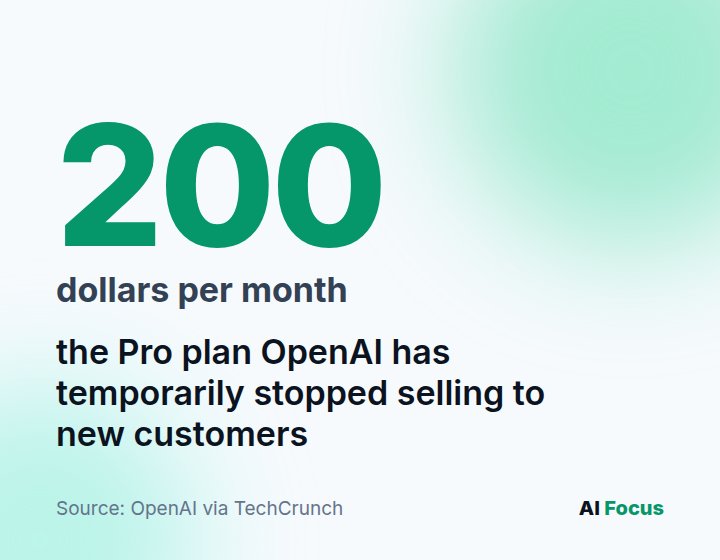
As of September 10, 2026, you cannot sign up for a new OpenAI Pro subscription, even if you’re willing to pay $200 per month upfront. Not because capacity is capped in the traditional sense, but because OpenAI lacks the computing power to onboard you. Demand for GPT-6 Astra, the model OpenAI launched on September 3, is ramping so fast that the company decided to temporarily refuse new customers for its premium plan.
What OpenAI put on hold
The warning came on September 9, and the lockdown followed a day later. Since September 10, OpenAI has stopped accepting new subscriptions for the Pro plan, TechCrunch reports. If you’re already a Pro subscriber, you keep access; the closure only affects new signups. Other offerings remain available: the API that developers integrate into their own software, and the cheaper Go and Plus plans. Only the heaviest, most expensive tier is closed.
OpenAI’s reason is straightforward: capacity. Astra demand is taxing the infrastructure, and Pro subscriptions consume the most system resources, the compute power and memory each model response requires. Pro grants the broadest access to the model, so each new Pro customer places more weight on the servers than a Plus or Go user. Reducing pressure logically means cutting there first.
Chief product officer Thibault Sottiaux summed it up this way:
“Demand for Astra is really unprecedented. We’re pulling all the levers possible to sustain the demand.”
The demand is unprecedented, he said, and OpenAI is pulling every lever it can to keep up. He deliberately called the pause “the smallest step that allows us to continue giving the broadest access possible”: the minimum intervention that lets the company maintain the widest possible access.
Scarcity is now complete
Those who followed our earlier posts will see a pattern. When Astra launched, we noted that on every subscription tier you got about half as many messages for the same price: cost became the new limit. Now it goes a step further. For the top plan, you can’t even pay anymore, no matter how badly you want in. First the value for your money shrank, now OpenAI won’t accept your money for the top tier at all.
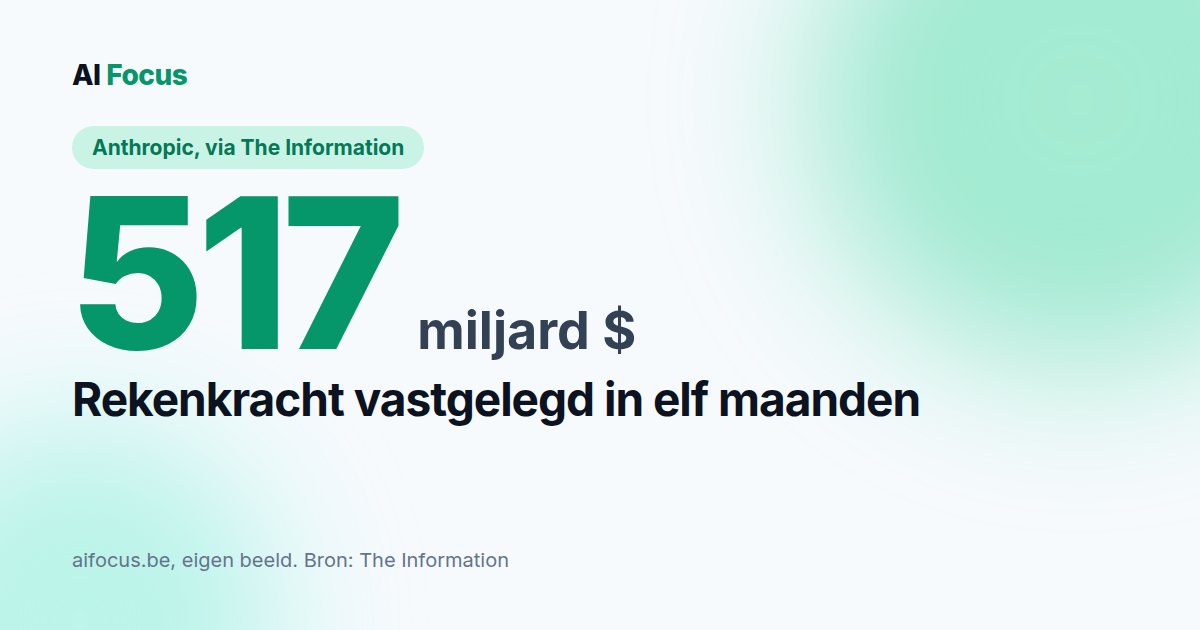
This is the flip side of the compute race we’ve seen in recent weeks. While Anthropic signed up for half a trillion dollars in compute capacity to stay ahead of demand, OpenAI is hitting the same wall from the opposite side: the servers don’t exist yet, so the checkout closes. A company that refuses new revenue because it can’t serve the customer is rare. It shows how tight the chip and datacenter bottleneck is right now, even for the company that’s supposed to lead.
Why a pause is the least bad option
Yet there’s a case to be made. OpenAI could have kept onboarding new customers and passed the strain to everyone: slower responses, more error messages, tighter quotas for existing paid subscribers. That’s overbooking, and it’s exactly what you don’t want if you’re paying for Pro. By closing the door to newcomers, OpenAI protects those who already paid. In that sense, a pause is fairer than the sprint forward.
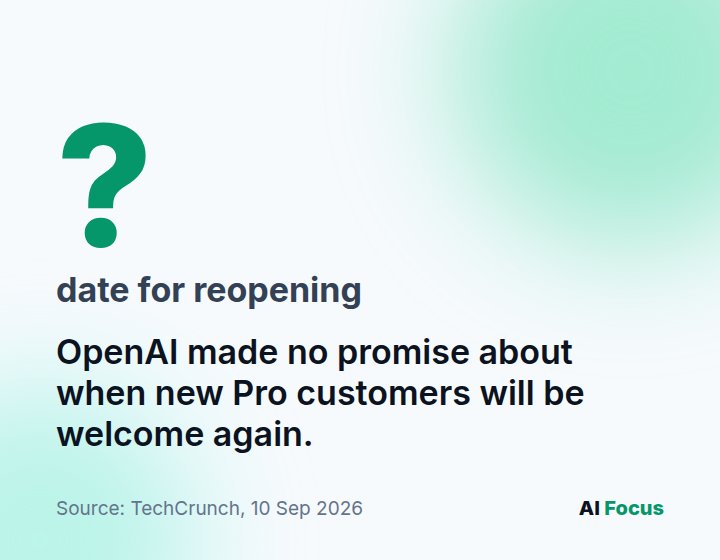
It looks like a temporary measure, but OpenAI set no date and made no firm commitment on reopening; when new Pro customers will be welcome again, nobody knows today. And there’s a reassuring reading of it: you don’t put the brakes on your best-selling product if it flops. That OpenAI can’t keep up with the rush to Astra is simply a sign the model is landing.
If you want Pro, you’re waiting for the door to open again, not knowing when. If you want to understand how the AI market works today, this is the signal to remember: the bottleneck is not price, it’s compute. As long as that stays scarce, capacity decides who gets in, not your wallet.